
What to do if You Get a Tyre Blowout
The key to good driving is being able to deal with the unexpected. One of the most alarming and dangerous things that a driver can have the misfortune of experiencing is a tyre blowout. This post will look at the ways you can improve your likelihood of avoiding this disaster from happening in the first place, as well as how to deal with a blowout if one does occur.
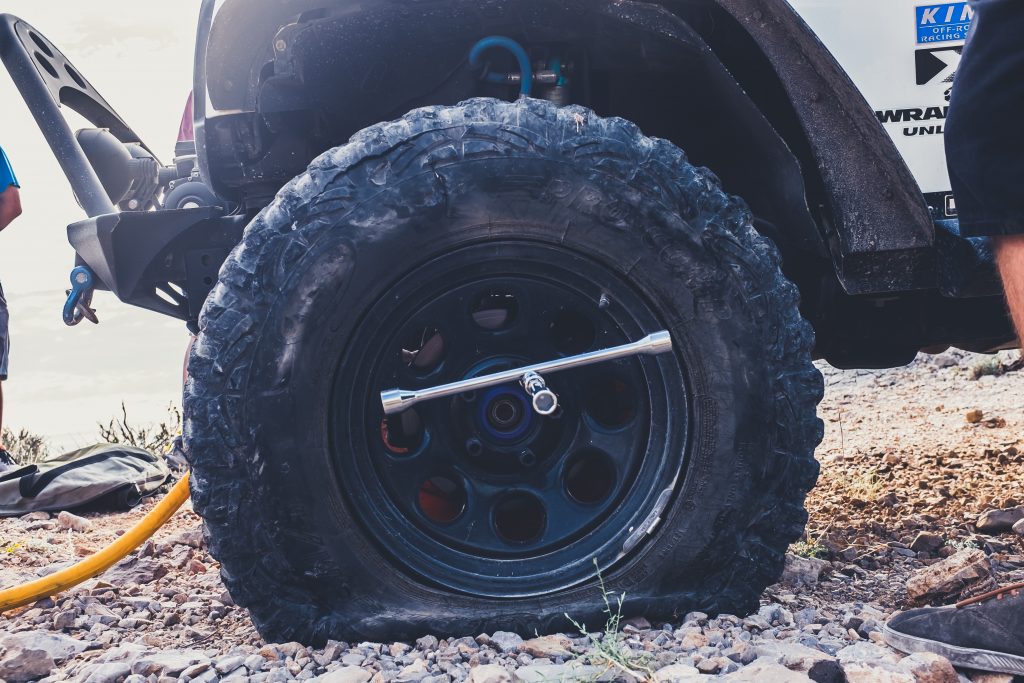
Causes
Poor tyre condition and damaged car tyres are the main culprits when it comes to the root cause of tyre blowouts. The more worn down your tyres are, the higher the risk of them sustaining damage and malfunctioning – this includes blowouts. Reckless driving and bad driving habits are also factors which can increase the likelihood of a blowout occurring, as well as decreasing the lifespan of your tyres.
Some road incidents are more likely to result in a blowout than others. The main offenders are:
- Hitting a pothole, especially at speed
- Hitting a piece of debris, especially at speed
- Hitting the kerb, especially at speed or at an awkward angle
These incidents all have car speed and relatively specific tyre impact in common – these factors combined are what can cause enough force for a tyre to suffer massive, immediate and irreparable damage.
What to do if a Blowout Happens
Most people will have no idea how to deal with a blowout. Know that it will be a startling event but you shouldn’t give in to panic as this will decrease your ability to deal with the situation. You will notice a blowout immediately as it will create a loud sound and you will feel the car decrease in stability and become harder to control.
- Don’t slam on your brakes. This can often be your first instinct, but when dealing with a blowout, this is a bad reaction due the car’s new instability and unbalance. Braking after sustaining a blowout can cause you to lose control of the car, especially at high speeds, with devastating consequences.
- Keep a firm hold of your steering wheel to ensure you maintain control of the vehicle. Try and keep the wheel and your driving as straight as possible. Due to the imbalance of your vehicle now, trying to correct any swerve of the vehicle as a result of the blowout could have unpredictable, negative consequences.
- Maintain acceleration initially, gently easing off the pedal to decrease your speed without using the brake pedal if possible as you want a steady halt. Keeping the car moving allows you to retain some balance and ease of control. The key is to keep your car going as smoothly as possible – harsh, sudden reactions will be detrimental to the situation.
- Identify a suitable a place to stop as your situation allows. Make sure you are aware of, and signal to other road users or pedestrians of your intention to make your stop.
Reducing the chance of a blowout
To make sure your tyres aren’t in a poor condition, which makes them more susceptible to blowouts and general damage, you should carry out regular maintenance checks. Checks should be carried out, whilst tyres are cold, at least once a month and prior to any long journeys. Check the pressure and tread depth to ensure they are within acceptable levels.
To reduce the likelihood of blowouts, also try to avoid:
- Potholes
- Mounting kerbs
- Scuffing your tyres against kerbs or similar
- Parking with tyres against the kerb
If your tyres are worn and need to be replaced to ensure optimum safety on the roads, or they need to be replaced after a damage-inducing incident, come to Auto Exhausts and Tyres. We are tyre experts, based in Lincoln, who can offer a range of quality tyres for any car model and budget. If you are in need of expert advice or have enquiries about any of our products or services, get in touch with our friendly team today.
